
Cable Assembly vs Cable Harness: What's the Difference
The terms "cable assembly" and "cable harness" are used interchangeably in conversation, and mostly that is harmless. But when they appear in drawings, quotes and purchase orders, the distinction starts to matter — because it changes what gets built, how it gets tested, and what arrives at your receiving dock.
Cable assembly: a finished, terminated cable
A cable assembly is a cable with connectors on it — a complete, testable unit. It has defined connectors, defined pin-to-pin wiring, and usually defined electrical tests that can be run on the finished item.
When you order a cable assembly, you can test what arrives: continuity, and whatever else the drawing specifies. It plugs into your equipment and works.
Cable harness: a shaped bundle for installation
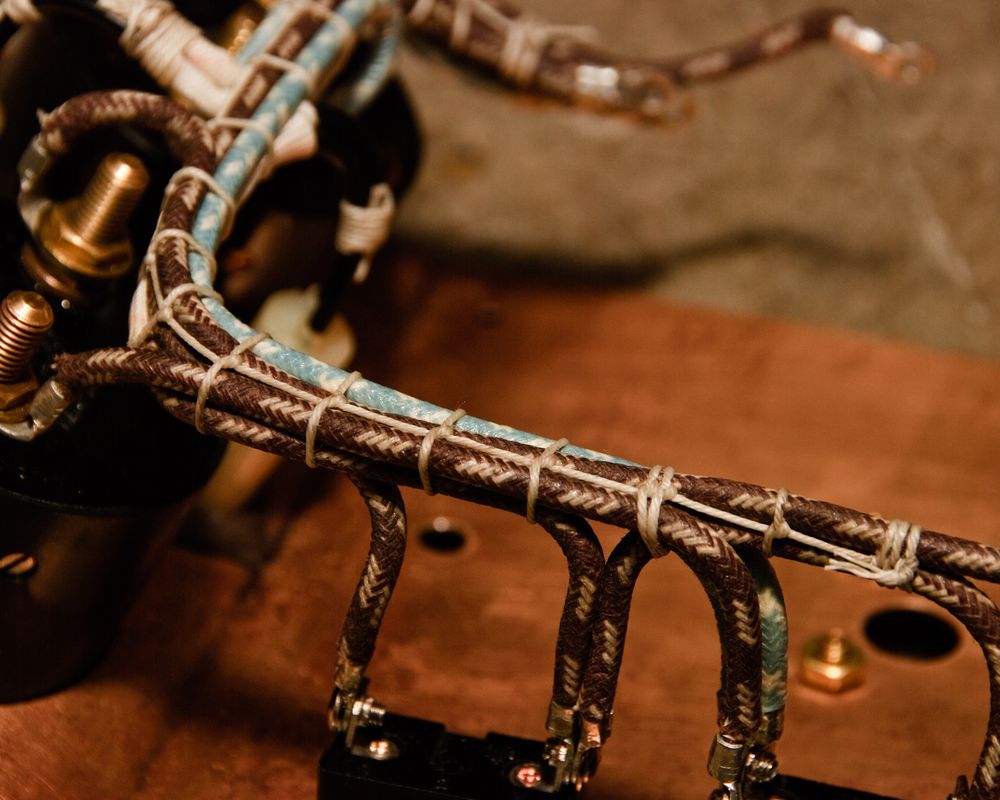
A cable harness (or cable form) is a group of wires or cables laid out and secured into a defined shape — with or without connectors — designed to be installed into equipment. Its geometry is specified: lengths, branch points, breakouts, routing.
A harness is verified as much by its layout and construction as by its electrical behaviour. It needs to fit the equipment it was drawn for, with service loops and breakouts landing where the drawing says.
Why the distinction matters
- Testing differs. A cable assembly is tested as a finished unit. A harness is checked for layout, length and construction — and electrical testing depends on whether it is terminated.
- Documentation differs. An assembly drawing defines connectors and pinouts; a harness drawing defines geometry and routing. Asking for one when you need the other creates quote delays.
- Installation differs. An assembly is plugged in; a harness is installed — routed, dressed and secured during equipment build.
In practice, you often need both
Most real equipment uses both: terminated cable assemblies grouped into a form or harness that installs as a unit. The assemblies give you testable interconnects; the form gives you clean installation and serviceability.
We build both, and combinations of both. See cable assemblies and cable forms, or send us your requirement.
When the distinction costs money
Most of the confusion is harmless — until it reaches a purchase order. Ordering "harnesses" when the drawing defines terminated assemblies means the supplier has to guess whether connectors belong in scope, and quotes differ accordingly. Ordering "assemblies" when what you need is a routed, shaped bundle means the supplier prices a plug-in cable and delivers something that does not fit the enclosure.
The expensive version looks like this: a quote arrives quickly because nobody asked what the drawing actually defined; the parts arrive; they do not install as intended; everyone re-reads the drawing and discovers the two parties were describing different products. A day of procurement time disappears into a vocabulary problem.
The cheap insurance is a one-line description with every RFQ: what the item must do when it arrives ("plugs into J3 and J7 at each end" versus "routes along the left chassis rail with a breakout at the power supply"). Suppliers who know the difference will confirm it back to you — and that confirmation, in writing, is worth more than the terminology ever was.
Key takeaways
- A cable assembly is a terminated, finished, testable unit; a harness or form is a shaped bundle built to install into equipment.
- Testing differs: assemblies are tested as finished units; forms are verified by layout, length and construction.
- Documentation differs: pinouts versus geometry — asking for the wrong one delays quotes.
- Most equipment needs both: terminated assemblies grouped into an installable form.
- Add a one-line "what it must do on arrival" note to every RFQ — it prevents the expensive vocabulary mistake.
Putting this into practice
If you are at the evaluation stage right now, the practical next step is a short conversation: send your requirement — drawings, quantities, dates — and see how the questions and answers compare with what this article describes. The way a supplier handles your enquiry before you have committed tells you most of what you need to know about how they will handle your order after.
Keep notes as you go. Which supplier asked about the tolerance that mattered, which one volunteered a constraint without being pressed, which reply you could forward to your quality team without editing — these observations, jotted down while they are fresh, are more reliable than any brochure. And when you place the first small order, order the smallest quantity that answers your real question, because the first job is itself an evaluation: of how documentation is handled, how questions come back, and how the delivered work compares to what was agreed.
Related reading: the other articles in this hub cover cable assemblies, cable forms, RF builds, module integration and board assembly from the same buyer-side perspective. When you are ready, our enquiry page reaches us directly — technical questions included.