
Electronic Module & LRU Assembly

An LRU (line-replaceable unit) is a functional unit that can be swapped out in the field in minutes; a module is the building block inside it. Both live or die by their integration: boards seated and secured, wiring routed and strain-relieved, connectors mated correctly, front panels labelled, and the finished unit tested as a unit — not just as parts.

Overview

What this service covers

An LRU (line-replaceable unit) is a functional unit that can be swapped out in the field in minutes; a module is the building block inside it. Both live or die by their integration: boards seated and secured, wiring routed and strain-relieved, connectors mated correctly, front panels labelled, and the finished unit tested as a unit — not just as parts.

We assemble electronic modules, LRUs, test jigs and racks as integrated builds: your design, assembled and verified to the documentation you provide.

Scope areaWhat it includes
Electronic module assemblyPCBs, sub-assemblies and wiring integrated into module-level builds.
LRU assemblyBoard-level and box-level integration into line-replaceable units, built to the applicable documentation.
Test jig assemblyJigs and fixtures for production and engineering test — wiring, connectors, interfaces and mechanical elements assembled as a working unit.
Rack assemblyPanel, wiring and interconnect work for rack-mounted equipment and test setups.
Connector & panel integrationConnectors, front panels and interfaces fitted, labelled and checked.
Unit-level verificationAgreed checks on the finished unit before it ships — because integration faults found at your end cost more than faults found at ours.
Configurations are confirmed at enquiry. Supported wire types, connector series, board technologies and test methods are confirmed against your specification before we quote — so what is promised is what is built.
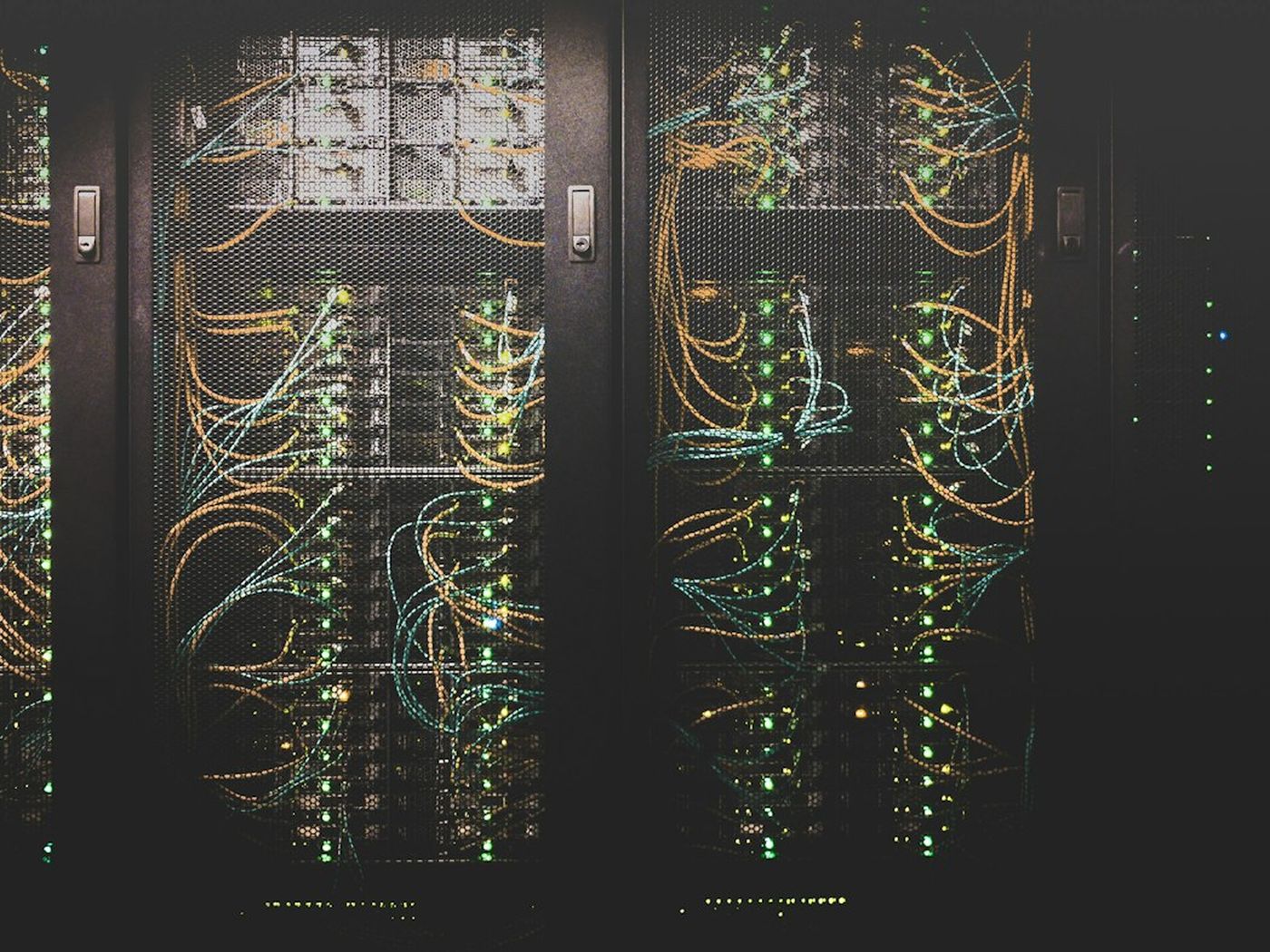
Equipment rack with organised cabling between units

Rack-level integration: units, panels and interconnects assembled as a working system. Photo credits.

Enquire about Electronic Module & LRU Assembly

Send your drawings and requirement details — we respond with scope confirmation and next steps.
Request an Enquiry

+91 98664 65829 Email

Applications

Where electronic module & lru assembly are used

Typical applications for this capability — specific project experience for your application is confirmed during enquiry.

Production & engineering test jigs

Jigs and fixtures that your production line depends on — assembled as complete, working units with the interfaces and labelling the test plan expects.

Control & equipment racks

Panels, wiring and interconnect work for rack-mounted equipment, wired to the documentation and checked as a system.

Field-replaceable units

LRU builds where the unit must be right inside before it is right outside — integration discipline shows up in the field as swap-and-go.

Prototype & pilot integration

First units and pilot batches, where the assembly documentation is still settling and the builder's questions improve the drawing, not just the build.

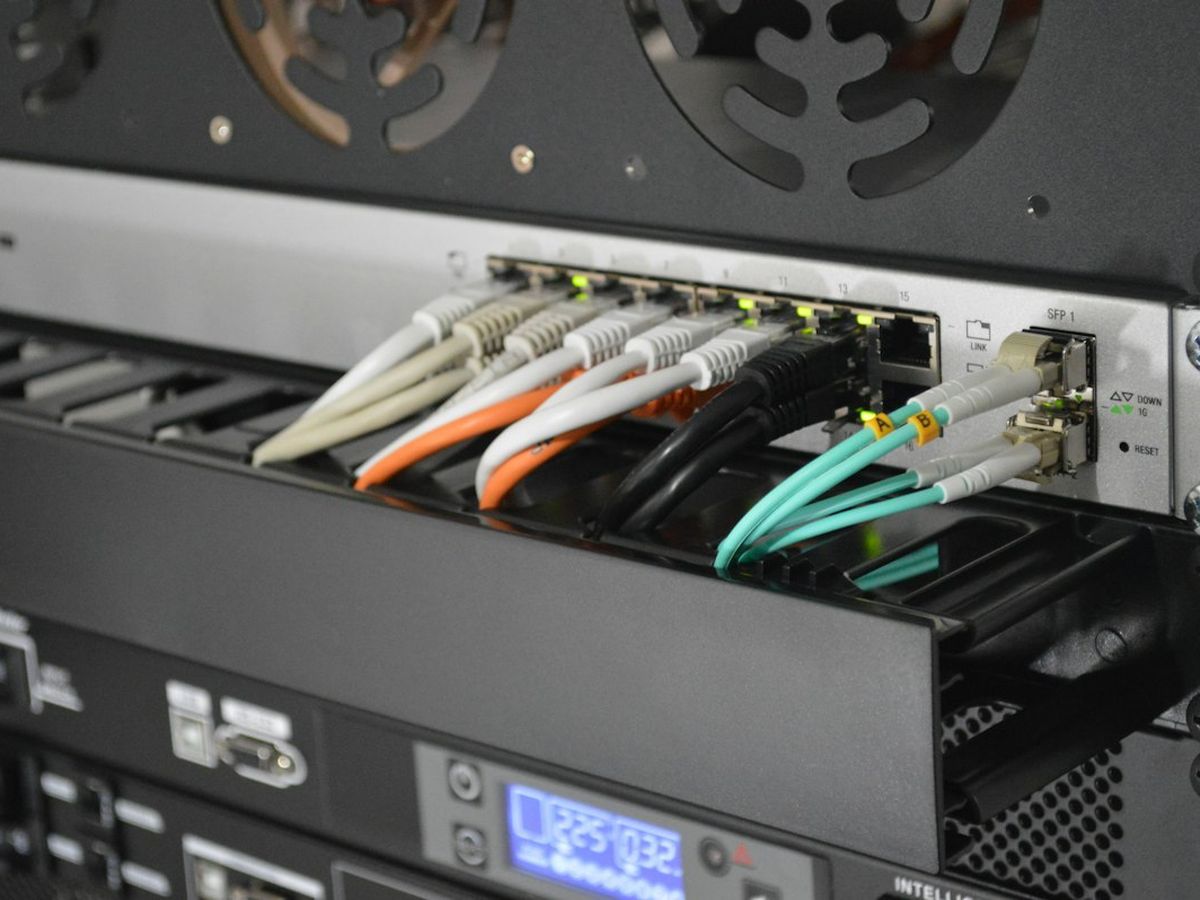
Network cables connected to rack-mounted equipment with a status display
Buyer notes

What experience teaches about electronic module & lru assembly

Integration is the product

A module or LRU is more than the sum of its parts. Seating, torque, routing, mating and labelling decide whether a unit works in service — and whether it can be maintained. The build sequence is documented so that integration decisions are deliberate, not incidental.

Working with consigned material

Module builds often run on customer-supplied boards and parts. Consigned material is checked in like any other — identity, condition, documentation — so problems surface at receiving, not at final test.

Unit-level verification

The verification performed on a finished unit is agreed when the job is defined: from structural checks and continuity through to functional test against customer-provided procedures or fixtures. State what your quality system needs; it is cheaper to agree it up front.

Process

How the work proceeds

Integration work follows a documented build sequence: parts are verified as they arrive, assembly proceeds module-first (boards and sub-assemblies, then integration into the enclosure or rack), and the finished unit is checked against the agreed verification steps.

STEP 1

Requirement & documentation review

Your drawings, BOM and specifications are reviewed, and questions are raised early.

STEP 2

Assembly

The job is built to the documentation by trained assemblers, following the agreed work instructions.

STEP 3

Verification & packing

Agreed checks and tests are performed and recorded; the assembly is labelled and packed for delivery.

FAQ

Technical FAQ

What documentation do you need for an LRU or module build?

Assembly drawings, wiring lists or interconnect documentation, the bill of materials, and any assembly or test instructions your quality system requires us to follow.

Can you build test jigs from a schematic?

Yes — test jigs and racks are a core part of this capability. Share what defines your jig (schematic, wiring list, mechanical drawings) and we will confirm the build scope.

Do you test finished units?

Agreed unit-level checks are performed before shipping. The depth of functional testing depends on your test documentation and is defined per job.

Can you integrate customer-supplied boards and parts?

Yes — consigned material models are common for module and LRU work and are agreed during enquiry.

Can you build test jigs to our test plan?

Yes — share the test plan, schematic or interconnect documentation, and mechanical requirements, and we will confirm the build scope for the jig.

Do you assemble into customer-supplied enclosures?

Yes, consigned enclosures, panels and mechanical parts are common for module and LRU work. The consignment scope is agreed during enquiry.

Need electronic module & lru assembly?

Send your drawings, specifications and quantities — we will confirm scope and next steps.