
Assembly Services
Cable, RF, module and board-level assembly — five capability areas, one working method: build to your documentation, test what was agreed.
Five core services
Each service page sets out what the service covers, how the work is done, the applications it serves, and the information that helps us quote your requirement accurately.
Cable Assemblies
Custom cable assemblies built to your drawings and specifications — power, signal and shielded constructions with proper termination, strain relief and testing.
View serviceCable Forms
Multi-cable forms and bundles shaped to your assembly geometry, with branch points, breakouts and identification done cleanly and consistently.
View serviceSemi-Rigid & RF Cable Assemblies
Semi-rigid and RF cable assemblies for high-frequency applications — precise lengths, careful forming and clean connector terminations.
View serviceElectronic Module & LRU Assembly
Electronic module, LRU, test-jig and rack assembly — integrating boards, wiring, connectors and panels into finished, testable units.
View servicePCB Assembly & Testing
Printed circuit board assembly and testing — assembly of your boards with agreed inspection and test steps from incoming to final checks.
View serviceOne service at a time
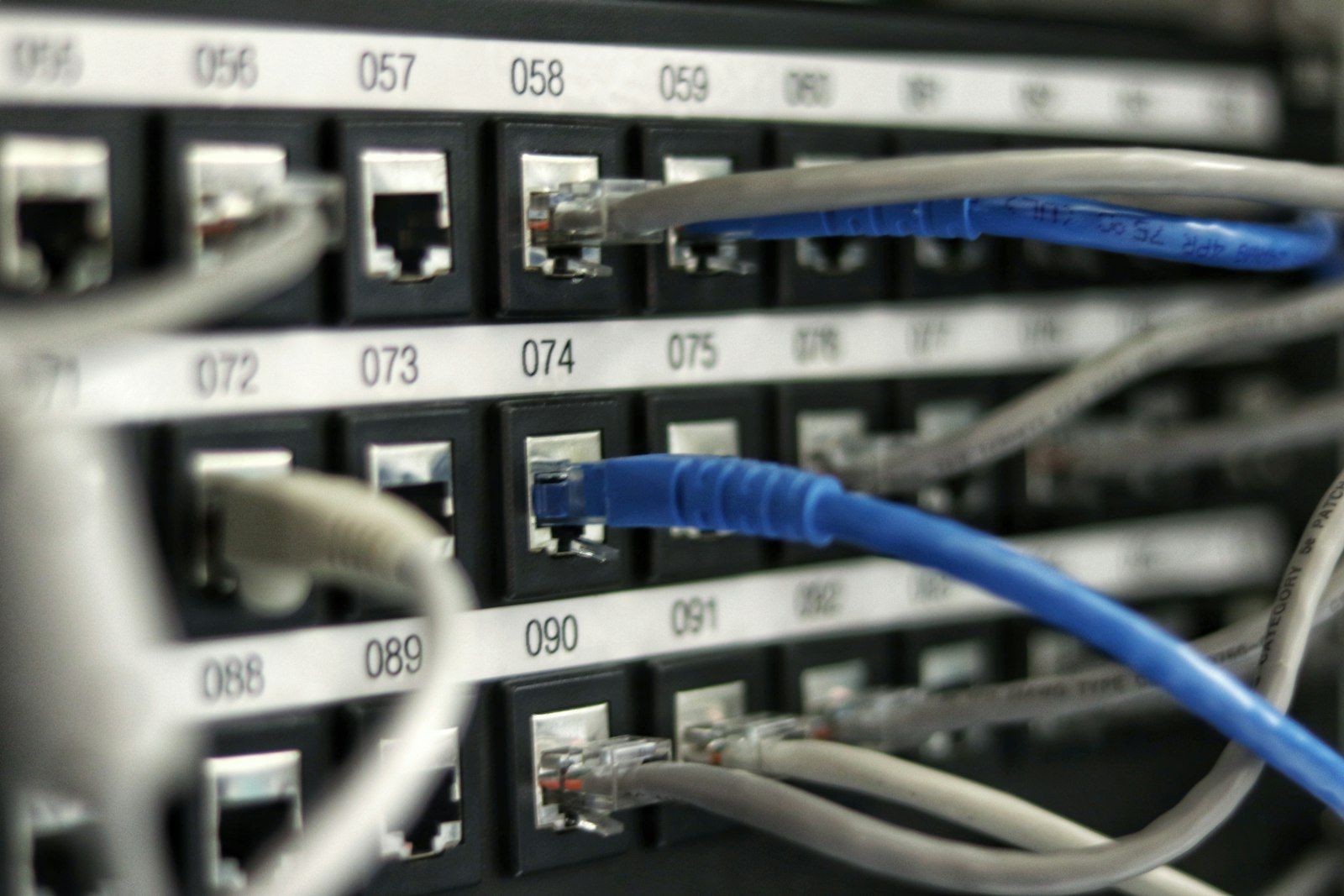
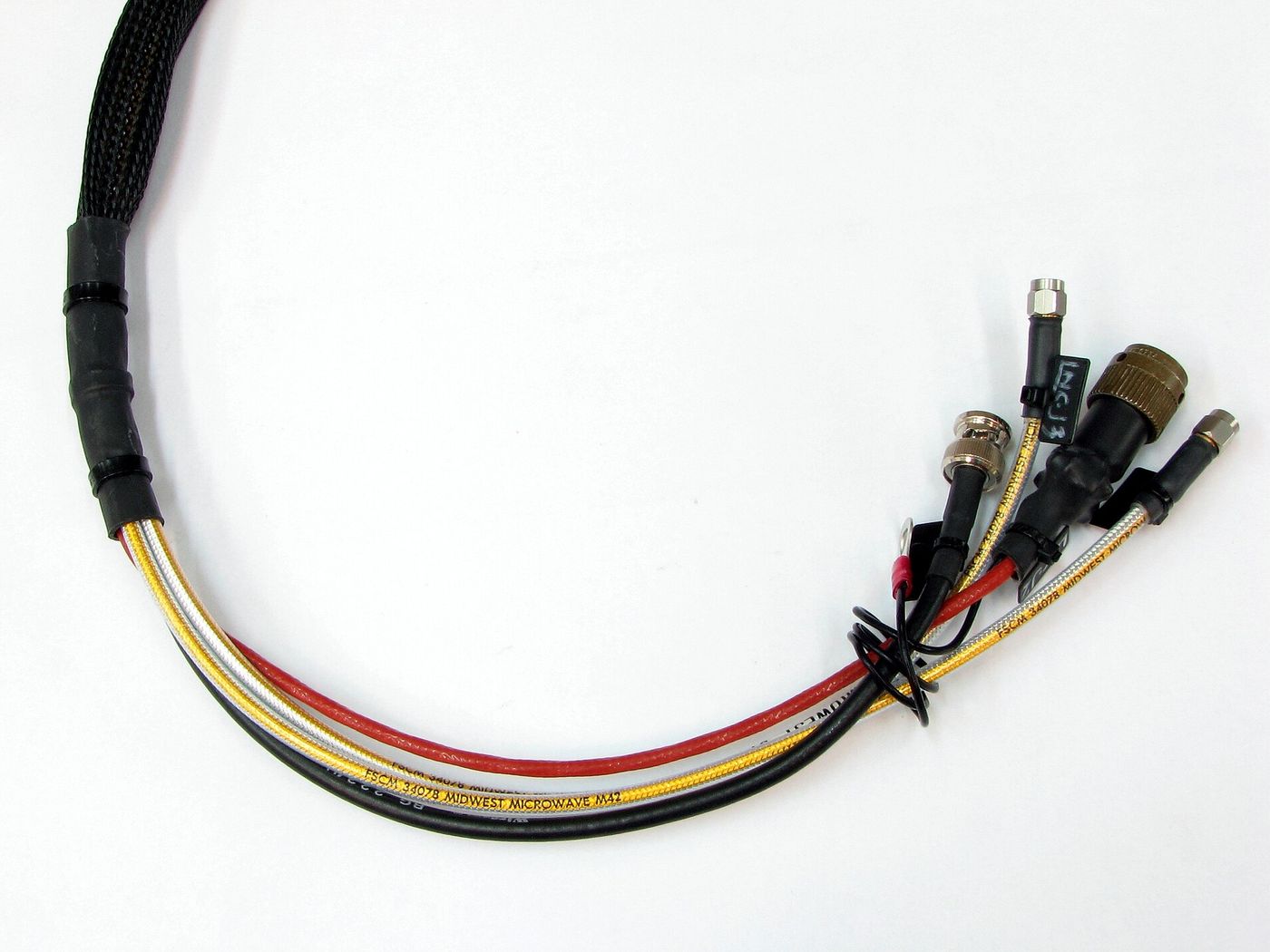
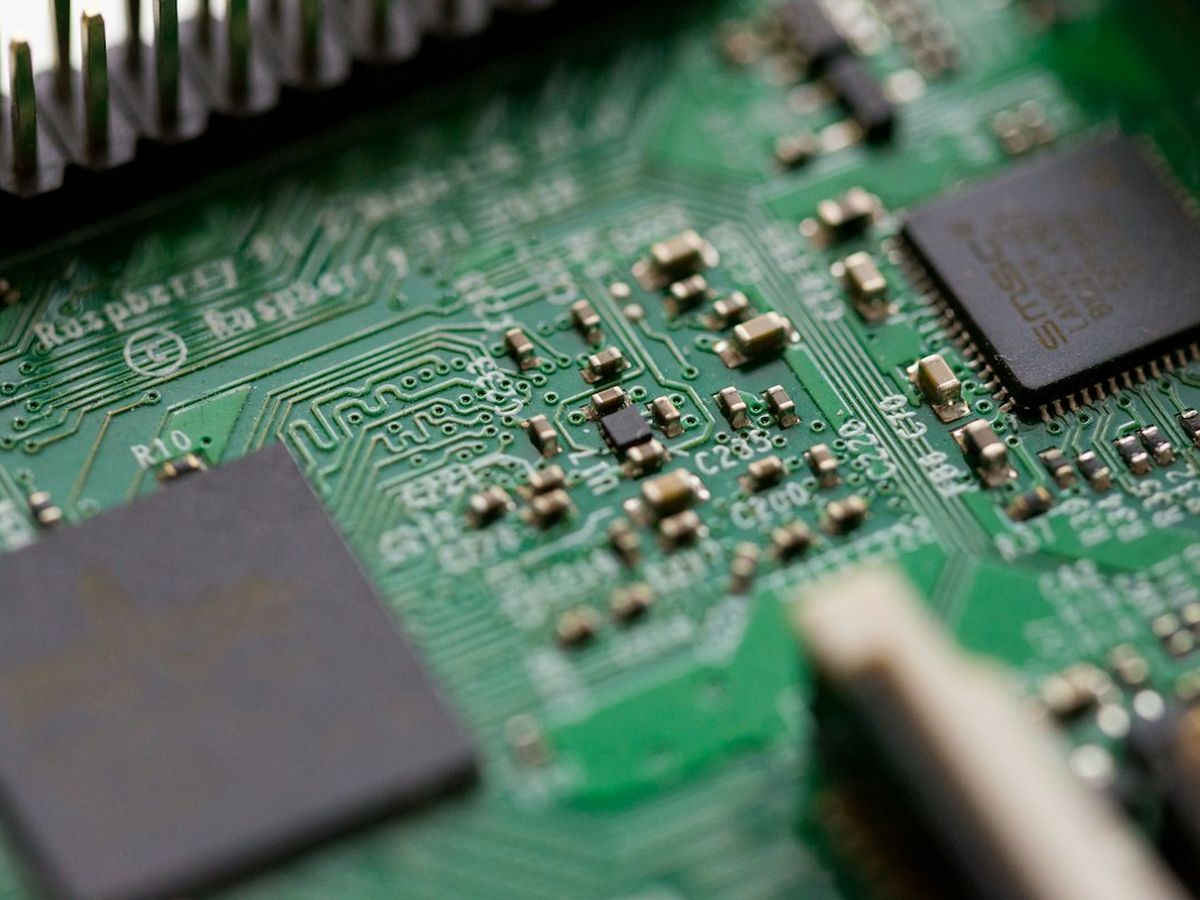
From terminated cable assemblies through laced forms, RF builds, rack integration and board work — each service has its own page, process and FAQ. (Illustrative photography — see our image credits.)

One job, several capabilities
Real requirements rarely respect service boundaries. A typical equipment build might start with printed circuit boards assembled and tested, continue into an electronic module or LRU that integrates those boards with wiring and connectors, and finish with cable assemblies and forms that connect the unit to the rest of the system. Test jigs and racks support the production line that builds it all.
Because these capabilities sit under one working method, you can treat us as a single partner for connected requirements: one enquiry, one documentation standard, one point of contact, and consistent quality expectations across everything we build for you. Where a requirement crosses services, we scope it as one job rather than five separate conversations.
What stays constant regardless of service: the documentation is the authority, materials are controlled on receipt, inspection happens at defined checkpoints, agreed tests are performed and recorded, and a single point of contact keeps you informed from enquiry to delivery.
What every job includes, whichever service it uses
Whichever of the five services a job belongs to, the same things are true of how it runs. The controlling documentation is agreed before assembly begins — your drawing, your BOM, your specifications. Materials are controlled on receipt, whether you consign them or we source them. Inspection happens at defined checkpoints rather than only at the end. Agreed tests are performed and recorded. The finished work is identified, packed and shipped with the agreed documentation, and the job records are kept.
Pricing follows the same honesty: quotes are built from the documentation, not from optimistic guesses. If a requirement is missing information that affects cost, we ask rather than assume — the quote you receive is the number we can hold to. Where a job spans several of our services, it is scoped and quoted as one job, with one point of contact throughout.
That consistency is deliberate. Customers who start with a single cable assembly enquiry and later bring module work or board work find that nothing about the working method changes — only the workbench does. It also means the service boundaries on this page matter less than they appear to: pick the closest match when you enquire, and the scoping conversation will place the job correctly even if you did not.
A quick orientation
| If your requirement is… | Start with |
|---|---|
| Cables with connectors, ready to plug in | Cable assemblies — terminated, strain-relieved and tested builds to your drawing. |
| A shaped bundle that routes inside equipment | Cable forms — geometry-driven builds with breakouts, securing and identification. |
| High-frequency or RF interconnects | Semi-rigid & RF cable assemblies — drawing-driven forming and clean terminations. |
| Boards, wiring and panels integrated into a unit | Electronic module & LRU assembly — including test jigs and racks. |
| Boards built from your design files | PCB assembly & testing — assembly with agreed inspection and test steps. |
Requirements that span several rows are normal — equipment builds usually do. In that case, do not try to split the enquiry yourself: describe the end result and the documentation you have, and we will scope it as one job with the right mix of capabilities.
Can one job span several services?
Yes, and it is common — a product build may need boards assembled, a module integrated, and cable assemblies to connect it. Describe the end result rather than trying to split it; we scope it as one job with the right capabilities.
Do you quote from samples as well as drawings?
Often, yes — a sample can be reverse-documented into a build drawing you approve before production. Where a sample is all that exists, say so in the enquiry and we will describe the path from sample to controlled drawing.
Which service pages should a first-time buyer read?
Start with the service nearest your requirement, then read the Quality page — the working method there applies to every service. The Insights articles cover buyer-side questions in more depth if you are evaluating suppliers generally.
What if my requirement does not fit any service neatly?
Send it anyway. Real requirements rarely respect categories, and the enquiry conversation exists precisely to sort out what fits, what does not, and what we would recommend instead. A plain-language description is a perfectly good starting point.
What helps us quote faster
Drawings or samples
Assembly drawings, wiring lists or a reference sample — whatever defines the job in your hands today.
Specifications
Wire and cable types, connector series, test requirements and any industry or customer-specific standards.
Quantities & dates
Estimated annual or per-order quantities and the delivery dates you are working to.