
Industries & Applications
The sectors and applications where our assembly capabilities are routinely applied — and how to confirm our experience for your specific requirement.
Where the work applies
Cable assemblies, RF assemblies, modules, jigs, racks and PCBs are the connective tissue of electronic equipment across these sectors — the parts that decide whether the product around them works.

Defence & aerospace
Equipment in these sectors depends on assemblies that are built to documentation, traceable and consistent — cable forms, modules and interconnects that can be depended on in the field. Rigorous build-to-print discipline and record-keeping are the working norm. Where a program demands specific identification, marking or documentation formats, those requirements are agreed in advance and written into the job plan rather than negotiated at delivery.
Telecommunications
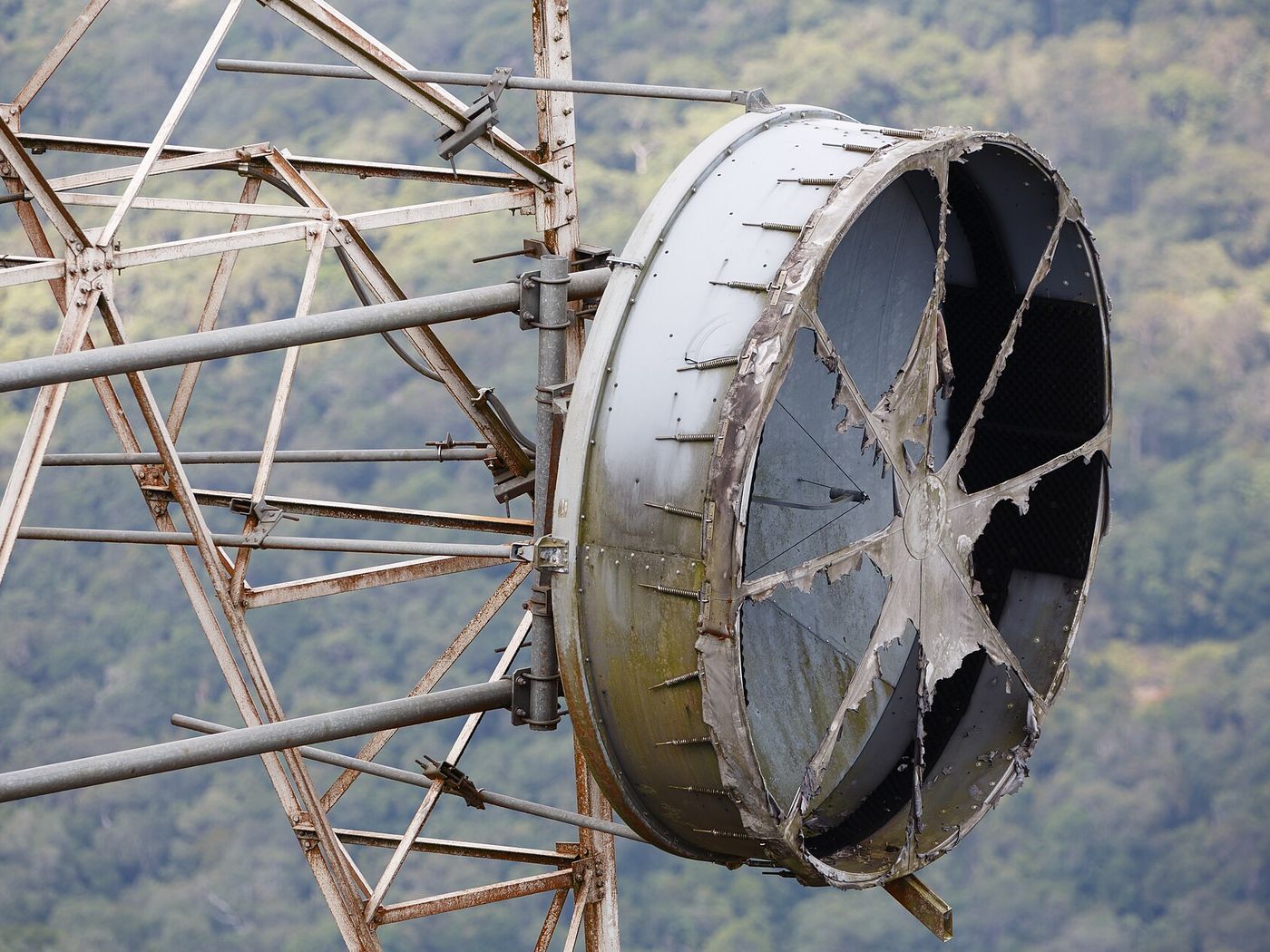
Transmission and network equipment depends on RF and signal assemblies with clean terminations and stable performance — semi-rigid and flexible RF builds, signal cabling and module integration. Equipment that lives on towers and in cabinets is serviced in the field, so identification, consistent construction and records that answer questions years later are part of what the assembly must deliver, not extras.

Industrial automation
Control panels, machines and production lines are wired with cable forms and harnesses that must install cleanly and survive vibration, movement and continuous operation. Downtime is the cost that matters here: forms that install without rework, conductors that stay identifiable after years of service, and documentation that lets a maintenance technician replace the right assembly the first time.
Test & measurement
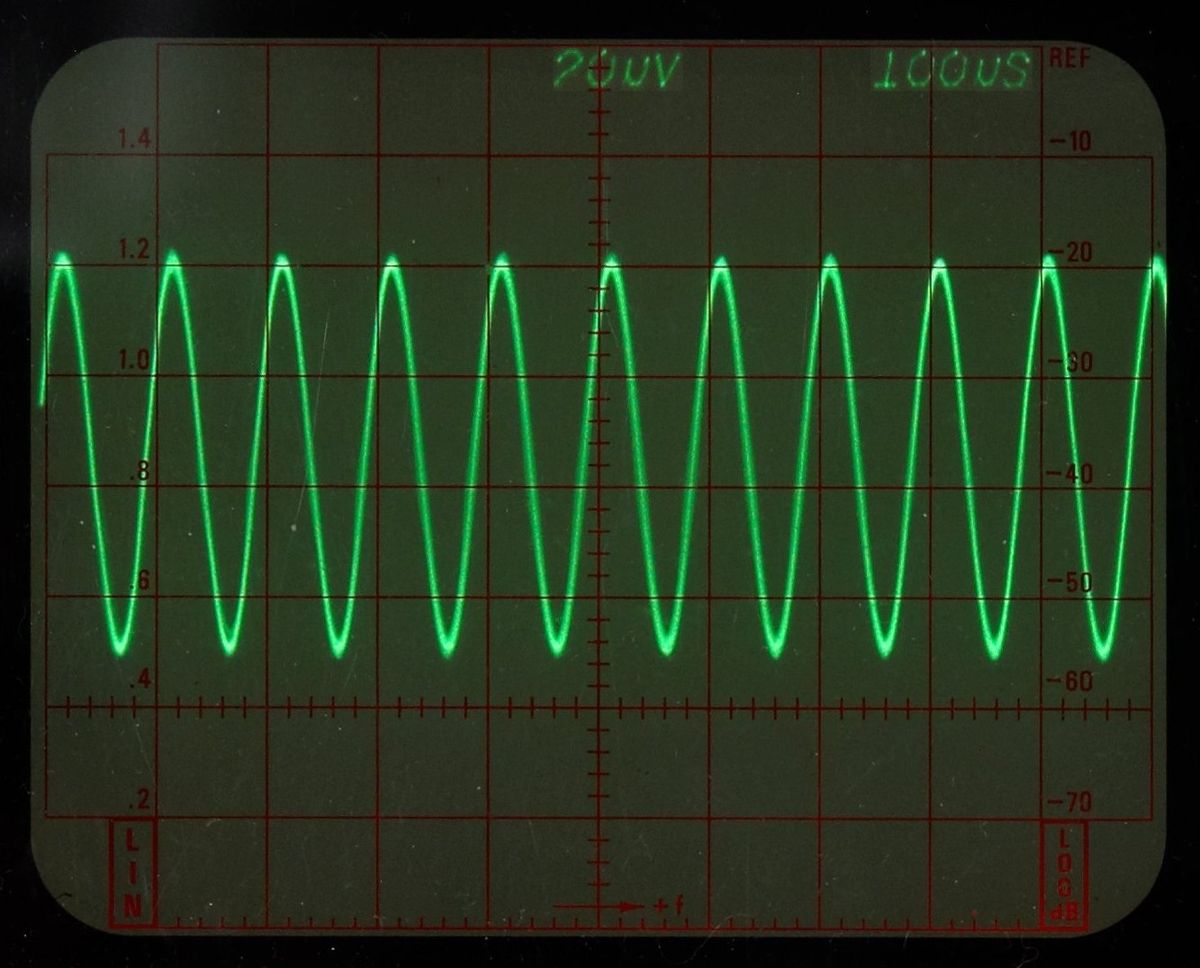
Engineering and production test setups run on test jigs, racks and interconnect assemblies — built as working units with the interfaces, labelling and verification the lab expects. Repeatability is everything in test work: an interconnect that drifts invalidates measurements, so construction consistency and agreed verification are designed into the build rather than hoped for afterwards.
Medical electronics
Devices in this sector need consistent workmanship and documented assembly processes — the kind of build discipline that supports downstream regulatory obligations. Assembly records that connect what was built to what was checked are precisely what device documentation frameworks are built on, and consistent workmanship is the day-to-day form of it.

Energy & power systems
Generation, distribution and monitoring equipment use power and control assemblies where correct termination and verified construction matter to safety and uptime. Power work punishes shortcuts slowly and then all at once — which is why incoming material checks, agreed testing and recorded results are the parts of this work that endure long after the assembly has shipped.
How to use industry information
Industry pages on supplier websites are easy to overstate. A company can list a sector because it has shipped thousands of units into it, or because one prototype job once touched it — and the page reads the same either way. So here is the honest version: the sectors above describe where our capabilities — the assembly types we build — are routinely applied. What your vendor evaluation needs to know is which of them we have delivered into, at what volume, with what testing. That is a question about specific project experience, and we answer it directly during enquiry rather than implying it here.
If you are evaluating us against a requirement in any of these sectors, ask for the details that matter to your decision: relevant project scope, testing performed, documentation available, and references where appropriate. That conversation is what the enquiry process is for, and it produces better answers than a web page can.
The same works in reverse, and it is worth saying: a supplier who answers sector-experience questions precisely — with scope, volumes and honest caveats — is telling you something about how they will answer delivery questions later. Precision under mild scrutiny before an order is the cheapest quality indicator you will ever get.
What changes from sector to sector
The assembly techniques overlap heavily across sectors — a shielded cable assembly is built the same way whether it ends up in a machine tool or a transmission cabinet. What changes is everything around the assembly: the documentation standards expected, the testing depth, the traceability requirements, the approval steps, and the consequences of failure.
In test-and-measurement work, repeatability dominates: an assembly that measures differently today than yesterday invalidates results. In energy applications, termination correctness and insulation testing matter most, because the failure modes are expensive and public. Medical electronics adds documentation obligations that outlast the product. Defence and aerospace tend to bring the strictest traceability expectations of all.
What this means for an enquiry is simple: tell us the sector context along with the assembly requirement. It shapes the testing we propose, the documentation we prepare and the questions we ask — and it lets us tell you honestly whether our working method fits what your sector's expectations demand.
Which sectors do you have delivered experience in?
Delivered project experience is confirmed during the enquiry process, job by job. This page describes where our capabilities apply; the conversation that follows your enquiry describes where we have actually delivered — including scope, volumes and testing.
Do you support sector-specific documentation requirements?
Where a sector or program requires specific identification, marking, traceability or documentation formats, those requirements are agreed before the job is quoted and written into the job plan. Tell us what your compliance process needs and we will confirm what we can support.
Can you work to customer quality-system requirements?
Where your quality system defines supplier requirements — inspection points, records, approvals — we review them with the enquiry and commit to what applies. The Quality page describes the working method those requirements plug into.
Describe your application
The fastest way to find out whether we fit your requirement is to share it: the assembly type, the application and the quantities you are working with.